Applications Library • Nutrition

Hazelnut butter for sandwich spreads

A practical, procurement-ready guide to hazelnut butter designed for spreads — covering smooth vs. crunchy textures, spreadability at room temperature, oil separation and oxidation control, sweetened vs. unsweetened bases, and packaging options for bulk and retail programs.

Back to applications
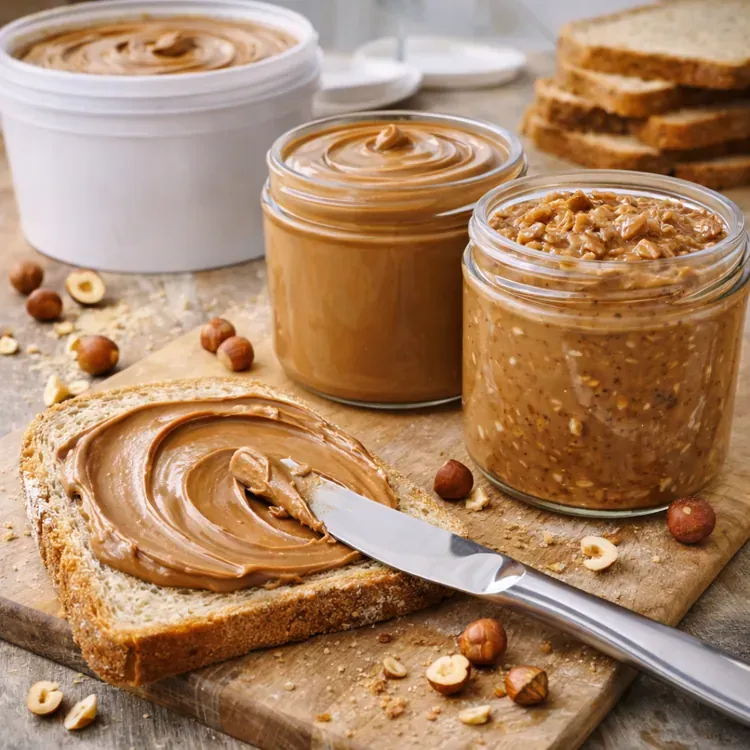
Hazelnut butter for sandwich spreads illustration

Where it fits

Hazelnut butter is used in sandwich spreads and snack applications where consumers expect easy spreadability, clean hazelnut aroma, and stable texture over shelf life. It can be positioned as unsweetened “nut butter” or as a sweetened hazelnut spread base used in sandwiches, wraps, bakery items, and convenience snacks.

In spread applications, performance is driven less by “kernel size” and more by the relationship between particle fineness, fat phase stability, and roast profile. A well-aligned specification reduces oiling-off, keeps mouthfeel consistent, and improves portioning on automated lines.

Export-ready documentation Lot traceability Smooth or crunchy Bulk & retail options

Recommended formats

Typical starting points for pilots and scale-up. Spread products usually start with paste, then tune sweetness and texture to the brand position.

  • Hazelnut paste / puree (smooth base for nut butter and spreads)
  • Roasted kernels (for in-house grinding where you control roast and fineness)
  • Controlled cuts (diced/chopped pieces for crunchy variants)
  • Hazelnut oil (optional texture lever; used to tune spreadability)

Technical considerations

The variables that most directly influence consumer experience and shelf performance.

  • Spreadability at room temperature (knife feel, pickup, and smear)
  • Particle fineness (smooth mouthfeel vs. intentional crunch)
  • Oil separation control (reducing surface oiling-off and maintaining uniformity)
  • Oxidation protection to preserve aroma and avoid rancid notes
  • Roast profile alignment to flavor and color targets
  • Allergen controls and line segregation planning

Packaging approach

We supply bulk formats for processors and packers (lined cartons, pails, drums) and can support retail/private-label requirements via partner programs.

For spreads, barrier liners and tight seals reduce oxygen exposure and help maintain flavor. Temperature-aware handling supports texture stability during transit.

See bulk supply details →

Spread performance checklist

Two hazelnut butters can share the same ingredient list and still behave very differently in consumer use. Procurement teams often align to a simple performance checklist that translates directly into fewer complaints and more consistent line behavior:

  • Knifeability: spreads smoothly without tearing bread or clumping.
  • Uniform texture: consistent mouthfeel from first scoop to last (no gritty pockets).
  • Low oiling-off: minimized surface oil separation during storage and distribution.
  • Flavor stability: preserved roasted hazelnut aroma through shelf life.
  • Clean labeling direction: ability to support unsweetened, lightly sweetened, or indulgent profiles depending on your brand.

If you share target texture (smooth/crunchy), sweetness level, packaging format, and desired shelf life, we can recommend a suitable paste base and specification approach.

Key levers: roast, fineness, and fat-phase stability

Spread products typically succeed when these three levers are tuned together. Changing one (for example, increasing roast intensity) can shift viscosity, aroma, and perceived sweetness—so it helps to lock a clear target.

Lever What it affects How we align it
Roast profile Aroma intensity, color, and “nutty” character Matched to your flavor direction and finished product color targets
Particle fineness Smoothness, perceived creaminess, and grit risk Defined tolerance bands; controlled milling/paste selection for consistency
Fat-phase stability Oil separation, smear behavior, and shelf uniformity Stability-oriented specification and packaging guidance to preserve aroma

Handling guidance for consistent texture

Hazelnut butter and spreads are sensitive to temperature swings. Simple handling steps can improve uniformity and reduce rework:

  • Temperature conditioning: keep product within a consistent range before filling/packing to avoid viscosity drift.
  • Gentle homogenization: if separation occurs, mix appropriately to restore uniformity without adding excess air.
  • Seal discipline: close liners promptly to reduce oxygen exposure and preserve aroma.
  • First-in, first-out: helps maintain consistent sensory performance across lots.

Typical specification markers

Below is a practical checklist used by procurement and QA teams for spread-focused hazelnut butter. We align each item to your destination market, customer requirements, and the processing level (bulk ingredient vs. retail-ready).

ParameterHow we align it
Roast profile / colorAligned to your target aroma and visual direction
Particle finenessDefined tolerance bands for smooth mouthfeel and controlled “crunch” pieces
Oil separation behaviorStability-focused spec alignment and handling guidance
MoistureControlled to support stability and texture consistency
Defect sortingScreened and optically sorted where required
Micro profileAligned to customer specifications and destination requirements
AflatoxinManaged through risk-based sourcing and partner controls
PackagingBarrier liners / sealed pails or drums; export cartons and palletization as required
TraceabilityLot coding, COA flow, and shipment documentation

Final values depend on product form and customer requirements. We share lot documentation with each shipment.

FAQ

Which hazelnut format is most common for hazelnut butter for sandwich spreads?

Most sandwich spreads start with smooth hazelnut paste (hazelnuts milled into a fine butter). Producers then adjust roast intensity, sweetness, and the fat phase to hit the desired spreadability and shelf stability. Hazelnut oil is typically used as a texture lever rather than the primary base.

How do you control oil separation in hazelnut butter spreads?

Oil separation is managed through a combination of particle fineness, roast alignment, and stability-focused formulation choices. Packaging that limits oxygen exposure helps preserve flavor and slows oxidation-driven quality loss.

Can you supply smooth and crunchy textures?

Yes. We supply smooth paste bases and controlled cuts (diced/chopped) for crunchy variants, with tolerance bands aligned to your mouthfeel and processing requirements.

Do you support long-term supply programs?

Yes. We structure annual and multi-shipment programs with consistent specifications, batch documentation, and forecast-based planning to keep product performance stable.

Next step

Send your target profile (smooth or crunchy), sweetness level (unsweetened/lightly sweetened/indulgent), packaging format (bulk or retail), annual volume, and destination. We will propose a suitable paste base, a stability-oriented specification, packaging options, and a shipment plan.

Review products