Applications Library • Bakery

Hazelnut crumb coatings for patisserie

A practical, procurement-ready guide to hazelnut crumb coatings used in patisserie — including the best product formats, cut size control for clean coverage, roast and color alignment, crunch retention in chilled or frozen items, and packaging choices that protect aroma during export logistics.

Back to applications
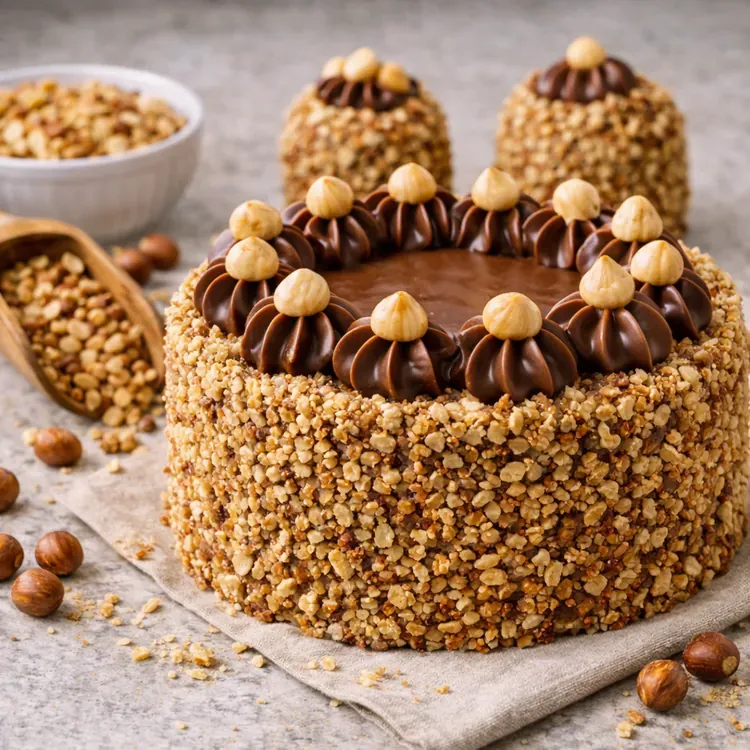
Hazelnut crumb coatings for patisserie illustration

Where it fits

Hazelnut crumb coatings are used to deliver a premium, handcrafted finish on cakes, entremets, slices, petit gâteaux, and plated desserts. Compared with whole nuts, crumbs provide even surface coverage, a controlled crunch, and strong aroma release — especially when the roast is tuned to your house profile.

In production, the main drivers are appearance consistency (uniform coverage and color), process yield (low dusting, predictable adhesion), and shelf stability (crunch retention and aroma protection). We support manufacturers by aligning cut range, roast level, and packaging to your process: hand application, drum coating, belt lines, or decoration stations.

Export-ready documentation Lot traceability Calibrated cuts Roast alignment

Recommended formats

Typical starting points for pilots and scale-up. We adapt roast level, cut tolerance, and packaging to match your coating method and display conditions.

  • Roasted hazelnut crumbs / granules (defined cut range for even coverage)
  • Roasted chopped / diced hazelnuts (more visible texture; premium look)
  • Praline or caramelized-style crumbs (sweet finish; strong crunch impact)

Technical considerations

The most common variables that impact coverage quality, crunch retention, and flavor stability.

  • Cut size distribution (coverage vs “patchiness”), plus limits for fines/dust
  • Moisture management to protect crunch during chilled display and storage
  • Roast profile alignment with your target aroma and color direction
  • Oxidation sensitivity (crumbs have more surface area than whole kernels)
  • Traceable lots with documented specifications and COA flow

Packaging approach

Crumb formats benefit from oxygen-barrier packaging and clean handling. We can supply lined cartons and sealed bags, with vacuum or MAP options where required.

For roasted crumbs, protecting aroma is critical: barrier liners, controlled headspace solutions, and temperature-aware logistics help preserve “fresh roast” notes.

See bulk supply details →

Designing a coating that stays crisp

The biggest challenge with nut crumb coatings is keeping the texture crisp once the crumbs touch a moist surface. Buttercream, ganache, glaze, fruit gels, and high-humidity display environments can soften crumbs over time. Successful programs treat the coating as a system: crumb format + adhesion layer + process timing.

  • Adhesion layer selection: chocolate, cocoa butter, and fat-based layers tend to protect crunch better than water-rich glazes.
  • Timing: applying crumbs after surfaces have set (but remain tacky) can improve yield and reduce absorbed moisture.
  • Fines control: minimizing dusting improves appearance and reduces “muddy” areas where fine particles hydrate quickly.
  • Cold chain behavior: condensation during thawing is a common crunch killer; align process steps to reduce moisture shock.

If you share your coating method (hand-roll, drum, belt line) and storage plan (chilled/frozen/ambient), we can recommend a cut range and packaging approach that fits your constraints.

Choosing a crumb cut range

“Crumb” can mean anything from fine granules to larger chopped pieces. The right choice depends on your product geometry and finish: smaller cuts create a uniform look and higher coverage, while larger cuts produce a premium, textured appearance with stronger crunch impact.

Coating goal Typical crumb direction Why it works
Uniform coverage, smooth silhouette Fine crumbs / granules (low dust) Even appearance; higher coverage; fewer “gaps” on curves
Premium visual texture Medium chopped / diced crumbs More visible pieces; strong crunch; artisanal look
Sweet, crunchy decoration Praline/caramelized-style crumbs High crunch impact; glossy notes; strong flavor release

Typical specification markers

Below is a practical checklist used by procurement and QA teams for crumb coatings. We align each item to your destination market, customer requirements, and the selected processing level (natural, blanched, roasted, or caramelized-style).

ParameterHow we align it
Cut range / distributionAgreed cut specification with tolerance bands for size consistency
Fines / dust controlLimits set to reduce dusting, improve yield, and maintain clean appearance
Roast level & colorAligned to your flavor target and visual direction (light vs deep roast)
MoistureControlled to support crunch retention and storage stability
Defect sortingScreened and optically sorted where required
Micro profileAligned to customer specifications and destination requirements
AflatoxinManaged through risk-based sourcing and partner controls
PackagingBarrier liners, sealed bags/cartons; vacuum / MAP options as required
TraceabilityLot coding and documentation per shipment; COA flow

Final values depend on product form and customer requirements. We share lot documentation with each shipment.

FAQ

Which hazelnut format is most common for hazelnut crumb coatings in patisserie?

Most patisserie teams start with roasted chopped hazelnuts (crumbs/granules) in a defined cut range, then fine-tune roast level, fines percentage, and packaging to protect aroma and crunch. For premium finishes, caramelized or praline-style crumbs are also common.

Can you match a target cut size and control fines/dust?

Yes. We can supply calibrated cuts (chopped/diced/crumb) and set tolerance bands for size distribution, including limits for fines to reduce dusting, improve yield, and maintain a consistent coated appearance.

What affects crunch retention on coated cakes and pastries?

Crunch retention depends on moisture exposure and adhesion systems. Managing the moisture at the interface (buttercream/ganache/glaze), controlling crumb moisture, and using appropriate barrier layers or process timing helps preserve texture through storage and display.

Do you support long-term supply programs for decorations and coatings?

Yes. We structure annual and multi-shipment programs with consistent specifications, traceable lots, and export-ready documentation so decorations and coatings remain stable and repeatable across seasons.

Next step

Share your product type (cake/entremet/slice), coating method (hand-roll/drum/belt), target appearance (fine vs textured), expected storage conditions (chilled/frozen/ambient), annual volume, and destination. We will propose suitable crumb formats, cut tolerances (including fines limits), packaging options, and a shipment plan.

Review products