Applications Library • Nutrition

Hazelnut flour for baby-food formulations

A procurement-ready guide to using hazelnut flour (hazelnut meal) in baby-food and early-life nutrition formulations — including recommended product forms, fineness and mouthfeel targets, quality and documentation expectations, and packaging approaches designed to protect sensitive ingredients through export logistics.

Back to applications
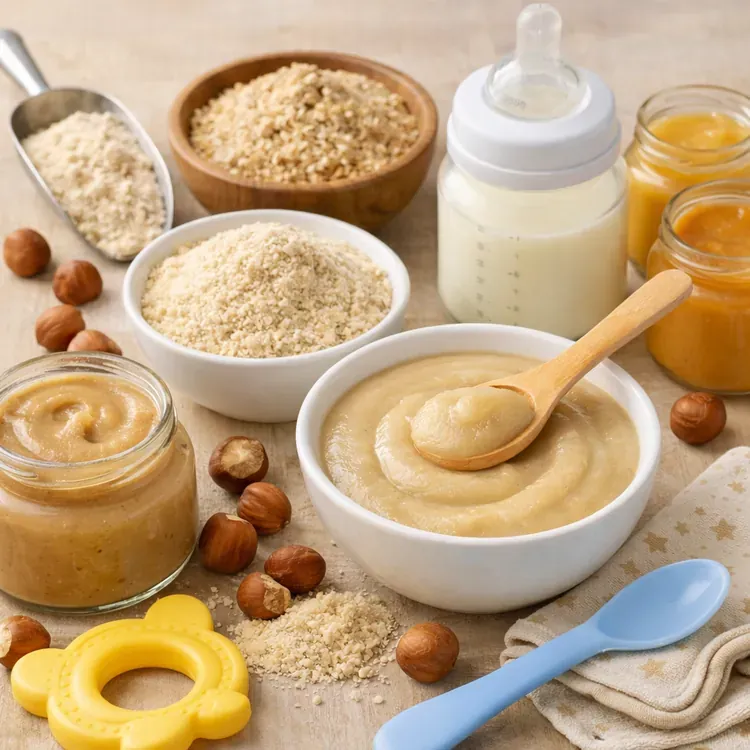
Hazelnut flour for baby-food formulations illustration

Where it fits

Hazelnut ingredients are used in selected nutrition concepts to deliver a gentle, naturally sweet nut profile and contribute richness in blends. In baby-food and early-life nutrition, the most important drivers are typically texture and mouthfeel consistency, traceability and documented QA, and shelf-life protection.

Because hazelnut flour has a large surface area and contains natural oils, it is more sensitive to oxygen exposure than whole kernels. Procurement therefore tends to focus on a stable fineness band (to avoid “grit”), controlled moisture (to improve flow and reduce clumping), and packaging that protects against oxidation during storage and transport.

Hazelnuts are a recognized allergen in many markets. Product development and labeling requirements should be handled by your regulatory and QA teams. We support with consistent specifications, traceable lots, and export documentation aligned to customer requirements.

Export-ready documentation Lot traceability Fineness alignment Quality-first programs
Recommended formats

Common starting points for R&D trials and scale-up. Baby-food concepts usually prioritize smooth mouthfeel, consistent color, and controlled handling.

  • Blanched hazelnut flour / meal (lighter color direction; smooth texture potential)
  • Fine hazelnut flour (low grit; stable dispersion in dry blends)
  • Hazelnut paste / puree (highly homogeneous wet mixes and spoonable textures)

Technical considerations

Variables that most often impact processing behavior, sensory results, and stability in sensitive nutrition products.

  • Fineness & distribution to reduce grit and support smooth mouthfeel
  • Oxidation sensitivity (oxygen and warm exposure management)
  • Moisture control for flowability and dosing consistency
  • Foreign matter controls aligned to your risk management plan
  • Allergen management and segregation planning

Packaging approach

For flour/meal and paste, packaging typically prioritizes oxygen barrier performance, moisture protection, and clean handling for production environments.

Where long transit times are expected, barrier liners and temperature-aware logistics help preserve aroma and reduce oxidation risk.

See bulk supply details →

How hazelnut flour is used in baby-food concepts

Baby-food formulations vary by category (dry cereals, spoonable blends, snack-style items, and powdered mixes). Hazelnut flour is generally used in small, controlled inclusions where developers want a nutty sensory note and a richer mouthfeel without introducing visible particulates. In practice, successful projects align three elements from the start: format, fineness, and process fit.

  • Dry blends and cereals: fine flour/meal is preferred for even distribution and predictable dosing.
  • Spoonable textures: paste/puree supports high homogeneity and reduces perception of particulate texture.
  • Multi-component products: controlling fat migration and aroma stability becomes more important when layers or coatings are involved.

Texture perception is highly sensitive in early-life products. Many manufacturers pilot multiple fineness bands to identify the best balance of smoothness and flavor release.

Quality & documentation expectations in nutrition programs

For baby-food supply chains, procurement and QA teams usually require a clear, documented framework covering traceability, consistent specifications, and an agreed testing and documentation flow. Requirements vary by destination market and customer policy, so we align the program to your needs.

On the ingredient side, teams typically focus on: repeatable particle distribution, controlled moisture for clean handling, and robust packaging barrier performance to protect sensitive oils and aroma. Where relevant, customers may also request documentation connected to contaminant risk management and allergen controls as part of their internal approval process.

Traceable lots COA flow Export documentation Program consistency

Packaging and storage for aroma protection

Hazelnut flour and paste can lose “fresh nut” notes faster than whole kernels because more surface area is exposed to oxygen. Packaging choices therefore have a direct impact on sensory stability. Procurement teams commonly specify barrier liners and sealed outer cartons/bags, and may request vacuum or modified-atmosphere solutions for sensitive formats, depending on product and route.

Format Typical risk Common mitigation
Flour / meal Oxidation and aroma loss; moisture pickup and clumping Oxygen-barrier liners, sealed bags/cartons, dry storage guidance
Roasted flour Higher aroma sensitivity; faster sensory drift if exposed to heat/oxygen Enhanced barrier packaging and temperature-aware logistics
Paste / puree Flavor stability and oil separation management in storage Suitable liners, controlled headspace solutions, and handling guidance

Final packaging selection depends on your shelf-life target, destination climate, and freight mode (sea/road/air).

Typical specification markers

Below is a practical checklist used by procurement and QA teams. We align each item to your destination market, customer requirements, and the selected processing level (blanched flour, natural flour, roasted flour, or paste).

ParameterHow we align it
Fineness / distributionAgreed particle size band and tolerance; limits for overs and fines as required
MoistureControlled to your target range to support flowability and reduce clumping
Color directionNatural vs blanched; optional roast direction aligned to sensory and appearance targets
Foreign matter controlsProcess controls and documentation aligned to your risk management plan
Micro profileAligned to customer specifications and destination requirements
AflatoxinManaged through risk-based sourcing and partner controls
PackagingBarrier liners, sealed bags/cartons; vacuum / MAP options as required
TraceabilityLot coding and documentation per shipment; COA and batch linkage

Final values depend on product form and customer requirements. We share shipment documentation and can align to your internal supplier approval templates.

FAQ

Which hazelnut format is most common for baby-food formulations?

For baby-food applications, the most common formats are blanched hazelnut flour/meal (for smooth texture and lighter color) and hazelnut paste/puree (for highly homogeneous blends). Format choice is typically driven by mouthfeel targets, processing method (dry blend vs wet mix), and shelf-life expectations.

What matters most when specifying hazelnut flour for baby-food recipes?

Procurement teams usually lock three items early: fineness/particle distribution (to reduce grit and support smooth mouthfeel), packaging/barrier performance (to protect aroma and reduce oxidation), and a documented QA framework aligned to the destination market (traceability, foreign matter controls, and relevant testing requirements).

Can you match a target particle size or mouthfeel requirement?

Yes. We can align fineness and distribution (including limits for overs and fines) to your process and texture goals. If you have a benchmark sample or internal specification, we can map the closest match and set tolerance bands for repeatability.

Do you support long-term supply programs?

Yes. We structure annual and multi-shipment programs with consistent specifications, traceable lots, and export-ready documentation—useful for infant and children’s nutrition products where repeatability and QA documentation are core requirements.

Next step

Share your product type (dry cereal, spoonable blend, or powdered mix), preferred format (blanched flour/meal or paste), fineness or mouthfeel target (or a benchmark sample), expected annual volume, and destination market. We will propose suitable formats, packaging options, documentation flow, and a shipment plan aligned to your program.

Review products