Applications Library • Bakery

Hazelnut flour for pancake & waffle mixes

A procurement-ready overview of how hazelnut flour is used in dry pancake and waffle mixes — including format choices (blanched vs natural), granulation targets for stable pourability, flavor consistency across lots, and packaging approaches that protect aroma through shelf life.

Back to applications
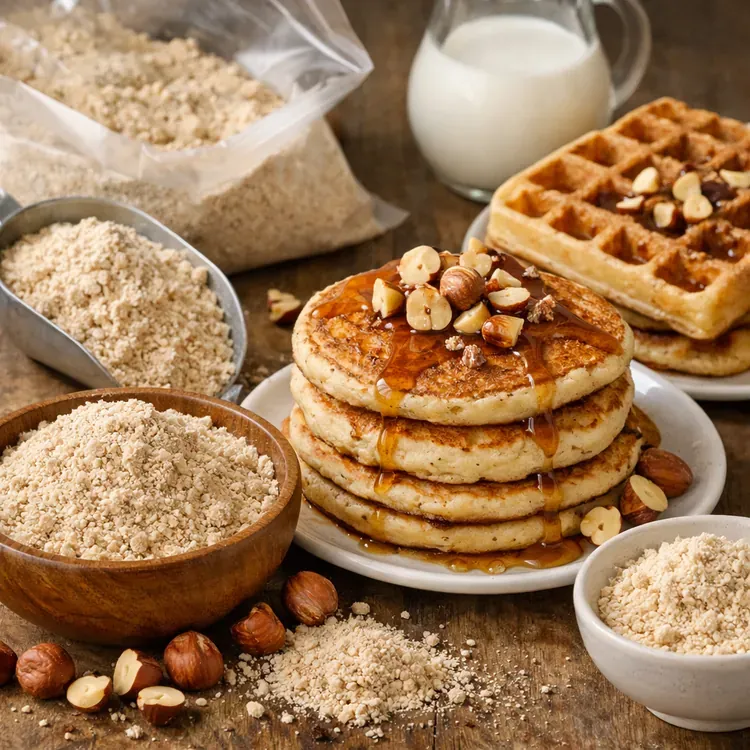
Hazelnut flour for pancake & waffle mixes illustration

Where it fits

Pancake and waffle mixes are a high-volume, repeatability-driven category. Brands typically need consistent batter behavior (mixing, pourability and spread), reliable lift, and a stable flavor profile across production runs and seasons. Hazelnut flour is used to add premium nut taste, natural richness, and a warm roasted aroma that pairs well with chocolate, cocoa, vanilla, cinnamon, coffee, and caramel notes.

In dry mixes, the key drivers are granulation control (for uniform blending and predictable batter viscosity), oxidation management (to protect aroma and reduce stale/rancid notes), and documentation for QA release and market compliance. We support manufacturers by aligning hazelnut format and processing level to your product goal: blanched flour for lighter appearance, natural flour/meal for a more rustic look, and roasted options for stronger nut intensity.

Export-ready documentation Lot traceability Defined granulation Bulk & retail options

Recommended formats

Typical starting points for pilots and scale-up. We adapt roast level, granulation and packaging to your blending system and shelf-life target. For dry mixes, flour/meal is usually the backbone; oil is typically a minor supporting ingredient (if used).

  • Hazelnut flour (blanched) — clean appearance, smooth batter, consistent dispersion.
  • Hazelnut meal / flour (natural) — deeper nut character and a “whole-food” visual cue.
  • Roasted hazelnut flour/meal — stronger toasted aroma for chocolate/cocoa-forward mixes.
  • Hazelnut oil (optional) — used in small amounts for aroma lift or mouthfeel where suitable.

If you want visible nut pieces, roasted diced/chopped inclusions are usually packed separately or used in limited amounts to protect texture and shelf stability.

Technical considerations

The variables below most often determine whether the mix runs consistently in blending/packing and performs reliably for the consumer at home or in foodservice.

  • Granulation & dust control: affects blending uniformity, segregation risk, and batter smoothness.
  • Hydration behavior: nut flour can change water uptake and viscosity—define target batter flow.
  • Leavening interaction: balance lifting power to maintain a tender pancake crumb or crisp waffle exterior.
  • Oxidation protection: fine flour has high surface area—oxygen barrier packaging reduces flavor fade.
  • Moisture management: supports flowability in the bag and reduces caking during storage.
  • Allergen controls: labeling and segregation plans must align to customer and destination requirements.
  • Traceability & COA flow: consistent documentation supports QA release and retailer programs.

Packaging approach

We can supply lined cartons, barrier bags, vacuum or MAP options and palletization suited to sea, road or air freight. For dry mixes, the packaging goal is simple: protect flowability and protect aroma.

  • Flour/meal: high-barrier bags (humidity + oxygen) to reduce caking and preserve nut aroma.
  • Roasted formats: enhanced oxygen barrier and controlled headspace to reduce stale notes.
  • Export handling: palletization and liners suited to long transit and temperature swings.

For aroma-sensitive formats, oxygen protection and temperature management are key to preserving fresh nut notes.

See bulk supply details →

Batter performance: what changes when you add hazelnut flour

Hazelnut flour introduces fat and fine solids that can enhance mouthfeel and aroma, but it also changes how a batter hydrates and flows. The practical target in dry mixes is a predictable user experience: the batter should be easy to mix, pour consistently, cook evenly, and deliver repeatable texture.

The main levers are granulation (fine flour vs meal), hydration (water/milk ratio and rest time), and lift strategy (leavening balance and mixing tolerance). For waffles, brands often aim for a crisp exterior and defined structure; for pancakes, a tender, moist crumb with good spread control is typically preferred.

What you wantHow hazelnut flour helpsWhat to control
Richer flavor & aroma Natural nut sweetness and roasted notes (especially roasted flour) Roast definition and oxidation control to avoid stale/rancid notes.
Smooth batter, easy mixing Fine flour disperses evenly for consistent flavor Granulation and dusting; define a target screen profile for repeatability.
Stable pourability & spread Nut solids can add body and reduce “watery” feel Hydration guidance and rest time; too much nut content can thicken batter quickly.
Lift + tender crumb Nut fats support tenderness Balance structure with leavening and base flour system to prevent dense results.
Crisp waffle exterior Roasted notes and fat can improve browning perception Leavening, sugar system, and granulation must support structure and crisping.

Practical tip: if consumer feedback points to “too thick” batter, the first checks are granulation (too fine can hydrate quickly), hydration instructions (water/milk ratio), and whether the mix is resting longer than intended.

Selection guide: picking the right hazelnut format

Use this guide to match hazelnut format to your product goal, appearance target, and mix positioning (retail vs foodservice). For most dry mixes, flour/meal is the main format; oil is typically optional and used sparingly.

GoalBest-fit formatWhy it works
Light color, clean appearance Blanched hazelnut flour (fine granulation) Even dispersion, smooth batter, minimal dark flecking.
Rustic / “whole-food” cue Natural hazelnut meal (slightly coarser) Visible specks, deeper nut notes, texture-friendly in hearty mixes.
Stronger nut aroma for cocoa/coffee Roasted flour/meal More pronounced toasted character; pairs well with chocolate and coffee profiles.
Premium flavor lift (minor tool) Hazelnut oil (optional) Used in small amounts where appropriate for aroma lift or mouthfeel.

If you need to minimize ingredient segregation in a dry blend, define density/particle distribution targets early (especially if adding inclusions or coarse meal).

Typical specification markers

Below is a practical checklist used by procurement and QA teams for dry mix programs. Compared to many other bakery applications, pancake/waffle mixes place extra emphasis on granulation consistency, flowability, and aroma stability.

ParameterHow we align itWhy it matters
Granulation / screen profileDefined particle distribution and tolerancesControls batter smoothness, pourability, and blend uniformity.
MoistureControlled to your target rangeSupports flowability, reduces caking in storage.
Defect sortingScreened and optically sorted where requiredProtects flavor consistency and reduces visual defects.
Micro profileAligned to customer specifications and destination requirementsSupports QA release and audit readiness.
AflatoxinManaged through risk-based sourcing and partner controlsKey compliance marker in many markets.
Oxidation managementOxygen barrier packaging / headspace control as requiredProtects aroma and reduces stale/rancid risk over shelf life.
PackagingBarrier bags, liners, vacuum/MAP when requiredProtects quality during transport and temperature swings.
TraceabilityLot coding and documentation packSupports repeatability and customer programs.

Final values depend on format (blanched vs natural; flour vs meal; roasted vs natural), customer specifications and destination requirements. We share lot documentation with each shipment and can standardize specs for long-term programs.

FAQ

Which hazelnut format is most common for hazelnut flour for pancake & waffle mixes?

Most dry-mix programs start with hazelnut flour or hazelnut meal as the primary format. Blanched flour is preferred for lighter color targets and a cleaner visual appearance, while natural flour/meal is chosen for a more rustic look and deeper nut notes. Hazelnut oil may be used as a minor supporting ingredient for flavor and mouthfeel, but flour/meal is typically the main inclusion.

How does hazelnut flour change batter performance?

Hazelnut flour adds fat and fine solids that can improve richness and aroma, but it also changes water uptake and viscosity. Most producers tune granulation and hydration guidance to keep batter pourability stable, and adjust leavening/emulsification to maintain lift and a tender crumb in pancakes or a crisp exterior in waffles.

Can you match a target particle size or granulation?

Yes. We can supply defined granulation profiles (fine flour to coarser meal) and align tolerance bands to your dosing and texture targets. Granulation affects blending uniformity, batter flow, and finished bite.

Do you support long-term supply programs?

Yes. We structure annual and multi-shipment programs with consistent specifications, batch documentation and forecast-based planning.

Next step

Send your target mix type (pancake, waffle, or dual-use), positioning (retail or foodservice), expected inclusion level, quantity and destination. We will propose suitable hazelnut formats (blanched vs natural; flour vs meal; roasted options), granulation, packaging and a shipment plan.

  • For smooth, pourable batter: choose fine blanched flour and define a granulation tolerance.
  • For a rustic, hearty mix: choose natural meal with controlled coarseness to reduce segregation.
  • For long shelf life: prioritize oxygen barrier packaging and stable roast definition (if roasted).
Review products