Applications Library • Cosmetics

Hazelnut oil for artisanal soap making

A practical, procurement-ready overview of using hazelnut oil in artisanal soap — including cosmetic-grade oil options (refined vs cold-pressed), saponification and trace considerations, oxidation control, typical specification markers, and packaging/logistics approaches for consistent batches.

Back to applications
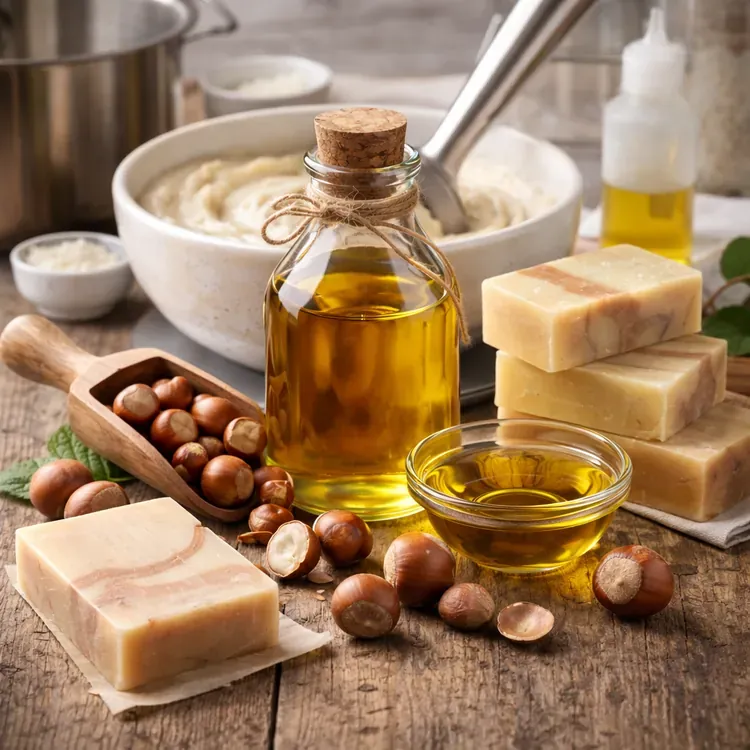
Hazelnut oil for artisanal soap making illustration

Where it fits

In artisanal soap making, hazelnut oil is typically used as a conditioning oil within a balanced blend. Soap makers choose it when they want a refined, “soft touch” skin feel and a premium ingredient story while maintaining predictable processing behavior in cold-process or hot-process production.

The procurement drivers are different from food applications: the priorities are freshness and oxidation control, odor and color consistency, and documentation suitable for cosmetic manufacturing. We support soap makers and brands by aligning oil type (refined vs cold-pressed), filtration level, packaging, and COA flow to your batch size, storage conditions, and label goals.

Note: Hazelnut is a tree nut. For cosmetic and personal care products, your allergen/labeling requirements depend on destination rules and your finished-product claims. We provide traceability and product documentation to support your internal review.

Cosmetic-grade supply Lot traceability Oxidation control Bulk & retail options

Recommended formats

Typical starting points for trials and production. We align filtration, odor/color targets, and packaging to your process.

  • Refined hazelnut oil (neutral odor, consistent color)
  • Cold-pressed hazelnut oil (more natural character, premium positioning)
  • Hazelnut oil in retail packs (small-batch makers and test runs)

Technical considerations

The most common variables that impact processing, bar performance, and shelf stability.

  • Saponification planning (SAP value alignment for your lye calculations)
  • Trace behavior and batch repeatability (temperature, shear, and recipe balance)
  • Oxidation management (fresh oil selection to reduce off-odor and rancidity risk)
  • Color/odor consistency for scented and unscented bars

Packaging approach

Bulk packaging selected to protect freshness and support clean handling in production environments.

Light, oxygen, and heat accelerate oxidation. For best stability, we recommend sealed packaging, controlled headspace, and cool, dark storage. We can align drums, jerrycans, or other bulk formats to your warehouse and dispensing setup.

See bulk supply details →

How hazelnut oil behaves in soap

Soap performance comes from the fatty acid balance of your total oil blend. Hazelnut oil is generally used to complement harder oils/butters, helping tune conditioning feel, lather character, and bar aesthetics. Because many artisan recipes include a “superfat” portion, oil freshness and storage discipline matter for long-term odor stability.

Processing notes for makers

In cold-process soap, hazelnut oil typically integrates smoothly into standard oil blends. Trace speed depends more on your total formula, temperatures, water ratio, fragrance, and mixing intensity than on any single oil. For consistent results at scale, brands often lock: oil temperature ranges, mixing time/shear, fragrance addition timing, and batch hold conditions.

Oxidation and bar shelf-life

Oxidation is a primary risk for any unsaturated oil. In soap, oxidation may show up as off-odor over time or visible spots/discoloration in some cases. Using fresh oil (low peroxide), minimizing heat/light exposure in storage, and using appropriate antioxidants in your formula (per your R&D policy) are common approaches to protect the finished product.

For premium “natural” positioning, many brands prefer cold-pressed oil but tighten storage and packaging controls to protect aroma and freshness. For maximum predictability, refined oil is often selected.
Procurement & scale-up checklist

Whether you are a small artisan workshop or a growing brand, the checklist below helps align raw material quality with repeatable soap performance and stable shelf-life.

AreaWhat to defineWhy it matters
Oil selection Refined vs cold-pressed; odor/color acceptance; filtration level Controls batch consistency, scent compatibility, and brand positioning
Freshness targets Peroxide value limits; storage window; sampling plan on receipt Reduces oxidation risk and protects finished-product odor stability
Recipe integration Target usage range in your blend; superfat strategy; SAP alignment Ensures predictable lye calculations and consistent bar feel
Handling & storage Dispensing method, container type, exposure control (light/oxygen/heat) Prevents quality drift between deliveries and improves repeatability
Packaging & logistics Drums/jerrycans/IBC; sealing; palletization; temperature expectations in transit Protects freshness during shipping and supports efficient operations
Documentation COA flow, traceability, country of origin, and product statements Supports customer requirements, audits, and regulated cosmetic programs

Exact targets depend on your product design and destination market requirements. We align supply programs around your agreed specifications and provide lot-level documentation with each shipment.

Typical specification markers

Below is a practical checklist commonly used by procurement and QA teams for hazelnut oil in artisanal soap and personal care production. The focus is on freshness, consistency, and fit for cosmetic manufacturing.

ParameterHow we align it
Oil typeRefined or cold-pressed; aligned odor and color expectations
Peroxide value (PV)Freshness targets aligned to your shelf-life and storage plan
Acid value / free fatty acidsControlled to reduce odor drift and support consistent processing
Iodine value (IV)Profile alignment for batch-to-batch consistency
Saponification value (SV)Shared for formulation alignment and lye calculation support
Moisture & impuritiesControlled through handling and filtration; documented on COA
Color / odorDefined acceptance criteria (especially important for unscented bars)
Filtration / clarityAligned to dispensing and storage needs (sediment reduction)
PackagingSealed containers with export-ready palletization and labeling
Traceability & COALot-level batch IDs with COA flow per shipment

Final values depend on product type and customer requirements. We share lot documentation with each shipment and can align sampling and retention expectations for long-term programs.

FAQ

Which hazelnut oil type is most common for artisanal soap making?

Most soap makers start with refined hazelnut oil for a clean odor profile and predictable behavior, then evaluate cold-pressed hazelnut oil when a more natural character or premium ingredient story is desired. Selection typically depends on your scent design, color target, storage conditions, and oxidation management plan.

How does hazelnut oil affect the feel of finished soap?

Hazelnut oil is commonly used as a conditioning component within a balanced recipe. It can support a smoother skin feel and a well-rounded lather when paired with harder oils/butters that provide structure and longevity. Exact performance depends on your full oil blend and superfat strategy.

Will hazelnut oil accelerate trace or cause formulation issues?

Trace behavior is usually influenced by your overall formula, temperatures, water ratio, fragrance, and mixing intensity. Hazelnut oil typically behaves predictably in standard cold-process blends. For repeatability at scale, many brands standardize oil temperatures, mixing time, and fragrance addition timing.

What quality markers matter most for soap makers and cosmetic brands?

The most common markers include peroxide value (freshness/oxidation), acid value / free fatty acids, moisture & impurities, and consistent color/odor. For many programs, fatty acid profile alignment, saponification value, and full documentation/traceability are also important.

Do you support long-term supply programs?

Yes. We structure annual and multi-shipment programs with consistent specifications, batch documentation, and forecast-based planning. This helps keep your soap or cosmetic line consistent across seasons and supports stable procurement.

Next step

Send your intended use (cold-process, hot-process, or base oils for personal care), monthly volume, destination, and your preference for refined or cold-pressed oil. We will propose suitable hazelnut oil options, target specification markers, packaging formats, and a shipment plan.

Review products