Applications Library • Pet

Hazelnut oil for pet coat supplements

Hazelnut oil can be used as a premium lipid ingredient in pet supplement systems where a smooth mouthfeel, consistent aroma, and stable oil handling are important. This page focuses on procurement and manufacturing realities: selecting a neutral vs aromatic oil profile, defining oxidation markers, and choosing packaging that protects quality through distribution.

Back to applications
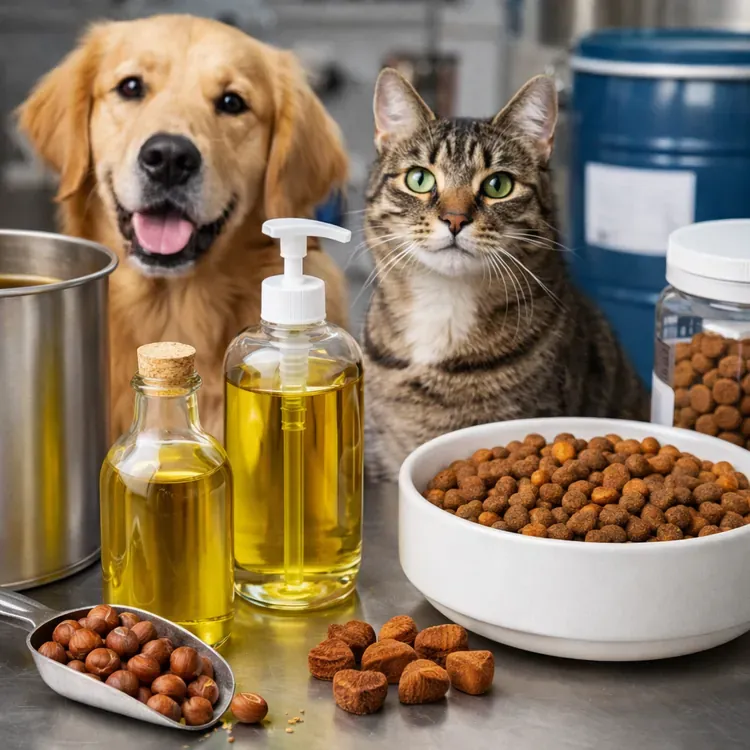
Hazelnut oil for pet coat supplements illustration

Where it fits

In pet coat supplement products, oils are commonly used as a carrier (for fat-soluble components), a texture and palatability tool, and a consistent dosing ingredient in manufacturing. Hazelnut oil is selected when a brand wants a premium positioning and a clean, smooth oil that can be handled reliably in bulk.

Hazelnut oil is typically used in: liquid supplements (pump bottles or measured pours), soft chew and treat systems (as part of the fat phase), powder-to-oil blends for functional premixes, and kibble coating/top dressing programs where controlled application and low-odor stability matter.

Important note: supplement formulations and claims are brand- and market-specific. We focus on ingredient supply, quality markers, and documentation to support your regulatory and QA requirements.

Export-ready documentation Lot traceability Food-grade supply programs Oxidation-managed packaging
How manufacturers use hazelnut oil in pet supplement systems

Liquid supplements

Hazelnut oil can be supplied as a primary oil or as a blending component. The key is maintaining a stable, clean sensory profile and low oxidation markers across batches, especially when the product is opened and used repeatedly.

  • Neutral profile helps minimize flavor variability
  • Headspace and closure selection matter after opening
  • Define clarity and filtration expectations for dosing

Soft chews & treats

In chews, hazelnut oil contributes smooth texture and can help bind or carry fat-soluble components. Consistent oil behavior supports repeatable mixing and forming, and can reduce batch-to-batch texture swings.

  • Align viscosity expectations at your process temperature
  • Define aroma intensity to avoid overpowering flavors
  • Plan packaging to protect aroma in finished goods

Kibble coating & top dressing

For coating programs, pumpability and consistent spray behavior are the priority. A well-specified oil supports stable application rates and helps maintain a clean finish over storage.

  • Specify filtration/clarity for nozzles and pumps
  • Agree oxidation markers for long warehouse cycles
  • Route-aligned packaging reduces handling risk

Recommended formats

Typical starting points for pilots and scale-up. We align oil profile, filtration, and packaging to your process and shelf-life targets.

  • Hazelnut oil (refined/neutral): best for consistent sensory results and broad compatibility in blends.
  • Hazelnut oil (aromatic/roasted style): used when a premium nut note is part of the brand story.
  • Hazelnut meal / flour (optional): used in treat systems where texture or visible nut content is desired.

If the finished product is sensitive to aroma changes over time, a neutral profile plus oxygen-protective packaging is often the most stable path.

Technical considerations

The most common variables that impact stability, handling, and repeatability for oil-based pet supplement manufacturing.

  • Oxidation control: define acceptable markers and packaging requirements to protect aroma over shelf life.
  • Palatability & odor: align neutral vs aromatic profile to your flavor system and target acceptance.
  • Filtration & clarity: supports pumpability, metering accuracy, and clean application in coating systems.
  • Process temperature: set expectations for viscosity/flow at your mixing and filling temperatures.
  • Allergen documentation: align labeling and documentation to your destination market.
  • Traceability: lot-based COA flow helps maintain repeatable finished-product performance.

Packaging approach

Oils are sensitive to oxygen, heat, and light. Packaging and logistics are part of the quality system, not an afterthought.

  • Oxygen protection: oxygen-barrier packaging and headspace control reduce oxidation risk.
  • Bulk formats: drums and IBC options aligned to your throughput and dosing equipment.
  • Stability in transit: export-ready palletization designed for sea, road, or air freight.
  • Temperature management: handling recommendations to reduce heat exposure during storage.
  • Retail/private label: packaging options can be aligned to market requirements and positioning.

For long distribution cycles, the strongest quality gains often come from oxygen control and stable storage temperatures.

See bulk supply details →

Typical specification markers

Below is a practical checklist used by procurement and QA teams for hazelnut oil programs in pet supplement manufacturing. Final thresholds depend on your product format, shelf-life target, and destination market requirements.

ParameterHow we align it
Sensory profileNeutral vs aromatic/roasted style defined with acceptance language and reference expectation.
Peroxide value (PV)Aligned to your oxidation thresholds for release and shelf-life performance.
Free fatty acids (FFA)Aligned to your cleanliness and stability targets.
Secondary oxidation (e.g., anisidine / TOTOX)Included when your program requires deeper oxidation control beyond PV.
Clarity / filtrationAligned to pumping, spraying, and dosing equipment requirements.
Moisture & impuritiesControlled to support stability and consistent handling.
Allergen documentationAligned to labeling and destination requirements (nuts/allergen statements as applicable).
TraceabilityLot-level traceability with COA flow and shipment documentation.
PackagingDrum/IBC/other options as required with export-ready palletization and handling guidance.

Final values depend on customer requirements and product format. We share lot documentation with each shipment and can support scheduled supply programs.

FAQ

Which hazelnut format is most common for hazelnut oil for pet coat supplements?

The most common format is hazelnut oil. Manufacturers typically choose a refined (neutral) hazelnut oil for consistent taste and stability, or an aromatic option when a stronger nut note is desired.

What should procurement teams specify to protect shelf life?

Define oxidation markers (such as peroxide value and free fatty acids), agree on a clear sensory acceptance profile, and use oxygen-protective packaging with good headspace control. Stable storage temperature is also important for maintaining a clean aroma over time.

Can you support bulk and consumer packaging?

Yes. We supply bulk formats for manufacturing (drums/IBC) and can support retail/private label packaging plans depending on your destination market and documentation needs.

Do you support long-term supply programs?

Yes. We structure annual and multi-shipment programs with consistent specifications, batch documentation and forecast-based planning.

Next step

Send your supplement format, annual volume, destination, and the oil profile you want (neutral vs aromatic). We will propose suitable hazelnut oil specifications, packaging, and a shipment plan aligned to your stability targets.

  • Format: liquid pump, chew/treat, kibble coating, premix
  • Profile: neutral vs roasted-aromatic
  • Shelf life: unopened target + usage after opening
  • Packaging: drum/IBC/other + preferred handling setup
  • Destination: country and documentation requirements
Review products