Applications Library • Retail

Hazelnut oil in glass bottles

A practical, procurement-ready guide to retail hazelnut oil in glass bottles — covering oil types (cold-pressed, refined, roasted), quality/spec markers (FFA, peroxide, filtration), bottling controls for light and oxygen exposure, and export packaging approaches.

Back to applications
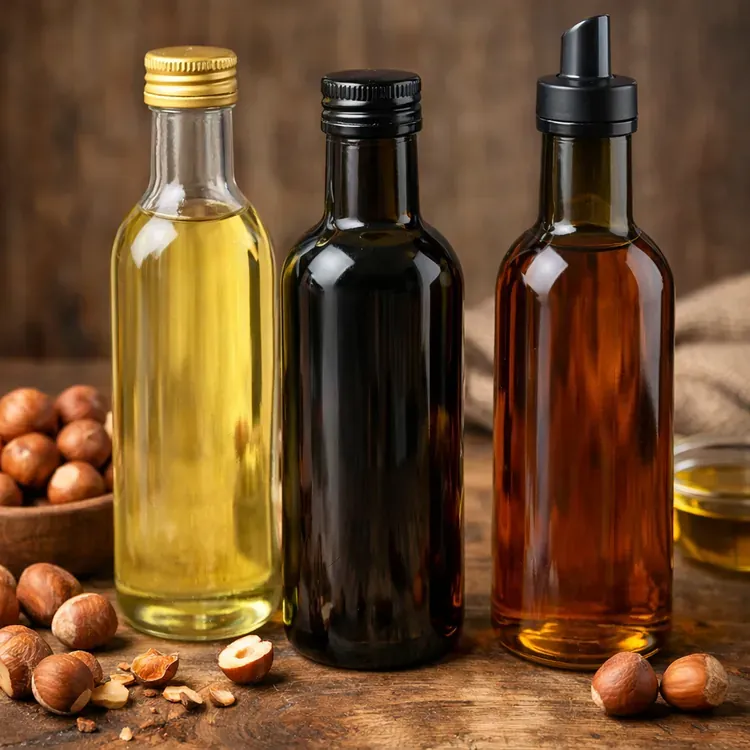
Hazelnut oil in glass bottles illustration

Where it fits

Hazelnut oil is used in retail as a culinary finishing oil, a salad and dressing ingredient, and as a flavor carrier in premium recipes. Buyers typically decide between three positioning routes: a neutral everyday oil (refined), a premium aromatic oil (cold-pressed), or an intentionally intense flavor cue (roasted). In all cases, success in glass is driven by oxidation control, sensory consistency, and stable appearance.

We support brands and bottlers by aligning the oil type and finishing steps to your shelf target: filtration for clarity, consistent sensory profile, and packaging guidance to reduce light and oxygen exposure. For private label programs, we can also align labeling inputs (allergen statements, origin notes, and batch/lot identification) and provide export-ready documentation for distribution.

Retail & private label Lot traceability Filtered & stable finish Export-ready documentation

Why glass matters for hazelnut oil

Glass communicates premium quality, but it also makes packaging decisions more visible: consumers can see clarity, color, and sediment. To keep the product stable on shelf, retail programs typically focus on three variables.

  • Light exposure: clear glass increases light impact; amber/dark glass or secondary cartons help preserve aroma and color.
  • Oxygen exposure: oxygen pickup during filling and headspace management directly affects shelf stability and flavor fade.
  • Clarity & haze: filtration and cold stability expectations should be agreed early to avoid seasonal haze or sediment concerns.
Recommended formats

Typical starting points for retail bottling and private label programs. We align oil type, filtration, and spec markers to your positioning and shelf target.

  • Cold-pressed hazelnut oil — premium aromatic profile for finishing and specialty retail.
  • Refined hazelnut oil — neutral, consistent, and widely used for everyday culinary positioning.
  • Roasted hazelnut oil — stronger nutty note for signature flavor and “finishing oil” storytelling.

Technical considerations

The most common variables that impact retail stability, taste repeatability, and complaint risk in glass packaging.

  • Oxidation markers: align acceptable limits for peroxide/secondary oxidation and sensory freshness over shelf life.
  • Free fatty acids (FFA): an important quality marker influencing flavor cleanliness and stability.
  • Filtration level: clarity targets and insoluble impurities limits to reduce sediment and keep appearance consistent.
  • Cold haze expectations: clarify how the oil should behave at low temperatures during transport or winter retail.
  • Sensory profile: agree on “nutty intensity” and acceptable variation (especially for cold-pressed and roasted oils).
  • Allergen & labeling: align allergen statements and market-specific label requirements for retail distribution.

Packaging approach

We support bulk supply to bottlers and retail programs, with packaging designed to protect the oil during storage and transport.

For glass bottles, most quality issues come from light and oxygen. Amber/dark glass, secondary cartons, controlled headspace, and clean closures are practical levers to preserve aroma.

See bulk supply details →

Retail bottling checklist

If you are bottling hazelnut oil in glass (in-house or via a co-packer), aligning packaging and filling details early helps avoid flavor fade, leakage, or appearance complaints.

Bottle & light protection

Choose protection level based on your shelf target and retail environment.

  • Amber/dark glass: common for premium oils to reduce light impact.
  • Clear glass: possible, but typically paired with cartons/sleeves and faster turnover expectations.
  • Secondary packaging: cartons can protect both light exposure and breakage.

Closures & integrity

Leak and oxygen ingress risk sits at the closure interface.

  • Tamper-evident solutions aligned to your market (shrink band, TE cap).
  • Pourers/spouts: improve consumer use but must be validated for seal performance.
  • Torque control: consistent closure torque reduces leaks and shelf failures.

Filling & headspace

Oxygen pickup during filling can dominate shelf-life performance.

  • Headspace control: consistent fill volume and minimal air exposure.
  • Inert gas option: used by some premium programs to reduce oxygen in headspace.
  • Temperature management: align filling temperature to flow and appearance expectations.

For private label projects, share your target bottle size, closure type, and expected shelf life. We can propose an oil type and a practical quality spec that matches your packaging approach and channel requirements.

Typical specification markers

Below is a procurement-friendly checklist often used for retail hazelnut oil programs. We align each item to your destination market, product positioning (refined vs cold-pressed vs roasted), and bottling approach.

ParameterHow we align it
Oil typeCold-pressed / refined / roasted; defined sensory profile for your brand positioning
Free fatty acids (FFA)Aligned to your quality target and product grade expectations
Peroxide / oxidation indicatorsTargets set to support shelf stability and freshness expectations
Moisture & volatilesControlled to reduce instability and support consistent performance
Insoluble impuritiesFiltration and cleanliness targets for clear appearance and reduced sediment
Sensory (odor/taste)Agreed profile (nutty intensity, roast note, cleanliness) and acceptable variation
Color / clarityAligned to bottle choice and retail expectation; haze behavior discussed upfront
TraceabilityLot IDs, batch documentation, COA flow where required
Packaging (bulk)Bulk supply packaging aligned to your bottling plan and logistics route
Retail packaging guidanceLight protection, closure integrity, headspace controls to preserve aroma

Final values depend on oil type and customer requirements. We can share a draft spec sheet and align it with your QA template and labeling needs.

FAQ

Which hazelnut oil type is most common for glass-bottle retail programs?

Most retail programs choose refined hazelnut oil for a neutral, consistent profile or cold-pressed for premium, aromatic positioning. Roasted hazelnut oil is popular for finishing oils where strong flavor identity is the primary value.

How do you protect hazelnut oil quality in glass bottles?

The most effective levers are filtration for clarity, minimizing oxygen pickup during filling (headspace control and optional inert gas), and light protection (amber/dark glass, cartons, or sleeves). These controls help preserve aroma and reduce early oxidation.

Do you support long-term supply programs for private label oil?

Yes. We structure annual and multi-shipment programs with consistent specifications, lot documentation, and forecast-based planning. For retail, we can also align sensory targets, filtration, and packaging requirements to reduce variation across batches.

Next step

Send your target oil type (refined / cold-pressed / roasted), bottle size and glass color (clear/amber), expected shelf life, annual volume, and destination market. We will propose a suitable specification, documentation set, and a shipment plan aligned to your bottling workflow.

Review products