Applications Library • Beverages

Hazelnut paste for cream liqueur flavor bases

Cream liqueur flavor bases aim for a stable, recognizable signature: creamy body, soft sweetness, and a persistent roasted-nut aroma. Hazelnut paste and related formats are used to deliver authentic nut character while supporting a consistent sensory profile across bottling runs. This page summarizes common hazelnut formats, technical considerations in fat-and-cream systems, and packaging choices that protect aroma during storage and global distribution.

Back to applications
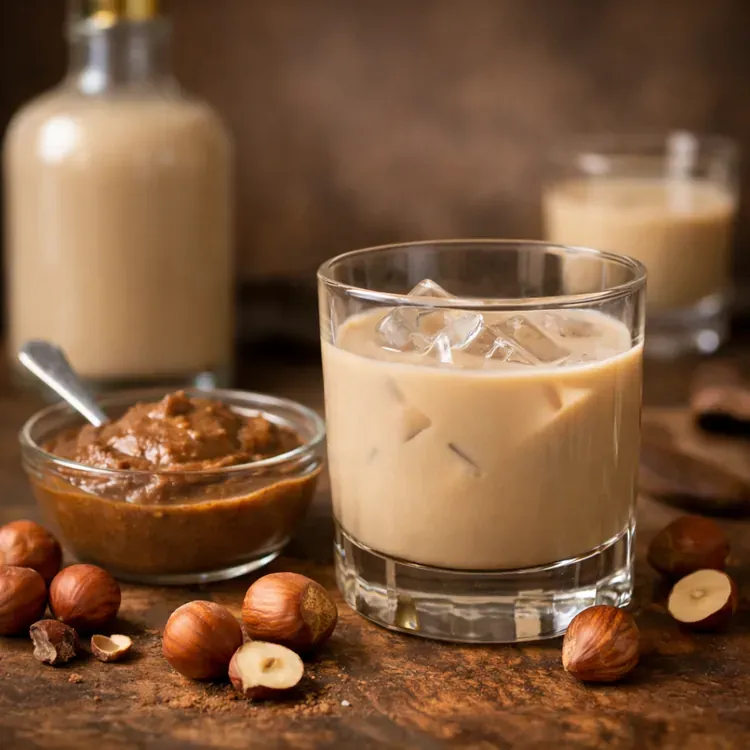
Hazelnut paste for cream liqueur flavor bases illustration

Where it fits

Hazelnuts are valued in beverage flavor systems for their naturally sweet, rounded profile and the aroma developed through roasting. In cream liqueur applications, the goal is usually a clean nut note that integrates with cream and cocoa/vanilla accents without harshness. That is why many formulators start from blanched kernels (reduced skin impact) and then set the roast band to match the brand’s target.

Unlike bakery or confectionery inclusions, cream liqueur flavor bases typically prioritize smoothness and stability. Procurement and QA teams often focus on: (1) consistent roast aroma across lots, (2) particle/grind suitability for mixing and any screening steps, and (3) oxidation control so the flavor remains fresh through distribution.

We support beverage and flavor-base manufacturers by aligning the hazelnut format and processing level to your production flow: blanched or roasted kernels for in-house processing, controlled cuts for extraction-style processes, and paste/flour options for homogeneous systems.

Export-ready documentation Lot traceability Custom cuts Bulk & retail options

How hazelnut works in cream liqueur flavor systems

Cream liqueur bases are typically multi-phase systems: dairy components, sugar, alcohol, and flavor ingredients must remain stable and consistent over time. Hazelnut paste contributes authentic nut aroma and creamy mouthfeel, but it also introduces fat and fine solids—so integration strategy matters.

  • Aroma carry and persistence: hazelnut fat carries volatile aroma; roast profile and oxygen exposure strongly shape “fresh roasted” perception.
  • Smoothness and texture: grind consistency helps prevent chalky or sandy perception in finished beverages and bases.
  • Emulsion compatibility: fat and fine solids can challenge stability if the system is not well emulsified; defining the paste/grind target helps process control.
  • Color management: blanching and roast band selection are common levers when a lighter, cream-forward appearance is desired.
  • Shelf-life protection: oxidation can flatten nut notes; packaging and storage guidance are part of a robust specification.

In many projects, the “winning” profile is achieved by combining a clean base material (often blanched) with a controlled roast band and strong oxygen protection—rather than pushing to the darkest roast.

Recommended formats

Typical starting points for pilots and scale-up. We adapt roast level, size tolerance, and packaging to your process and shelf-life goals.

  • Blanched kernels: a common starting point for clean color targets and reduced skin-derived bitterness/tannin notes.
  • Roasted kernels: for stronger aroma targets, especially when you want a pronounced “toasted hazelnut” signature.
  • Controlled cuts (diced/sliced/chopped): used when the process involves infusion/extraction steps or controlled contact surfaces.
  • Hazelnut paste (smooth): when you need direct flavor impact with a creamy mouthfeel and uniform mixing performance.
  • Hazelnut meal/flour: can be used for specific process routes where dispersion and solids handling are optimized.

If your finished base needs very smooth sensory performance, paste and fine grind targets are usually prioritized over coarse inclusions.

Technical considerations

The variables that most often influence throughput, flavor stability, and batch-to-batch reproducibility in beverage applications.

  • Oxidation control: oxygen-barrier packaging and headspace reduction help preserve roasted aroma over time.
  • Roast band alignment: define light/medium roast targets to match your flavor profile and avoid drift between lots.
  • Particle / grind consistency: important for smoothness and predictable mixing; helps reduce the risk of sediment perception.
  • Moisture management: supports stability and reduces unwanted texture changes in storage and transport.
  • Documentation flow: traceable lots, COA availability, and specification markers aligned to destination requirements.
  • Processing temperatures: excessive heat can mute aroma; many producers add nut components under controlled conditions.
  • Allergen handling: clear allergen documentation and segregation practices support your compliance and labeling needs.

Procurement tip: define what “stable flavor” means in measurable terms—roast band, packaging type, and a maximum allowable time/temperature exposure window.

Packaging approach

For cream liqueur flavor bases, packaging is a primary control point for aroma retention. The right format reduces oxygen exposure and protects against temperature swings during transit.

  • Oxygen-barrier liners: help reduce aroma loss, especially for roasted formats and paste.
  • Vacuum or MAP options: commonly used when longer storage or higher roast sensitivity is expected.
  • Export cartons and palletization: matched to sea, road, or air freight and your unloading/handling preferences.
  • Handling guidance: storage temperature recommendations and FIFO practices to preserve the intended sensory profile.

For sensitive formats (roasted materials and paste), oxygen protection and temperature management are the two biggest levers for preserving aroma.

See bulk supply details →

Use cases and workflow examples

Flavor base concentrates

Concentrates used by bottlers typically require consistent flavor intensity and a stable, predictable handling profile. Many teams define a roast band and packaging method early to avoid flavor drift during scale-up.

  • Common approach: blanched base + controlled roast aroma input.
  • Key focus: oxidation protection and lot-to-lot consistency.
  • Share with us: target sensory notes and expected storage duration.

Cream-forward, light-color liqueurs

When the product requires a light, clean appearance, blanching and roast control become more important. This is especially relevant where cocoa/vanilla are subtle and the hazelnut note must be refined.

  • Common approach: blanched kernels/paste, light-to-medium roast band.
  • Key focus: smoothness and color management.
  • Share with us: color target and any filtration/screening constraints.

Robust roasted-nut signatures

For stronger toasted profiles, roasted materials are used—but they are more sensitive to oxidation. Packaging and temperature discipline become part of the “flavor design,” not only logistics.

  • Common approach: controlled roast kernels/paste + oxygen protection.
  • Key focus: aroma retention through distribution.
  • Share with us: expected transit time and storage conditions.

Typical specification markers

Below is a practical checklist used by procurement and QA teams. We align each item to your destination market, customer requirements, and processing level (kernel, cut, flour, paste). If you already have internal specification sheets, we can map them to the closest workable format and packaging method.

ParameterHow we align it
MoistureControlled to your target range to support stability and predictable processing.
Defect sortingScreened and optically sorted where required; tolerance bands aligned to intended use.
Roast profileAligned to your sensory target (light/medium bands); documented for consistency.
Particle / grindCalibrated kernels and controlled cuts; paste/grind targets aligned to mixing and texture needs.
Micro profileAligned to customer specifications and destination requirements; COA flow supported per lot.
AflatoxinManaged through risk-based sourcing and partner controls with export documentation.
Oxidation protectionOxygen-barrier packaging, reduced headspace, vacuum/MAP options where appropriate.
PackagingVacuum / MAP / liners and export cartons as required; palletization suited to route.

Final values depend on product form and customer requirements. We share lot documentation with each shipment and can support multi-shipment programs with stable specification targets.

FAQ

Which hazelnut format is most common for hazelnut paste for cream liqueur flavor bases?

Most customers start with blanched kernels for clean color and reduced skin impact, then define a roast band (often light to medium) and a paste/grind target that matches their desired mouthfeel and processing constraints. This approach helps deliver a stable, repeatable hazelnut signature.

Why is oxidation control so important in cream liqueur flavor systems?

Cream liqueur bases often hold hazelnut aroma for extended periods in distribution. Oxygen exposure can dull roasted notes and introduce stale flavors. Oxygen-barrier packaging, reduced headspace, and careful temperature management are key controls for maintaining a consistent flavor profile.

Can you match a target particle size or cut?

Yes. We can supply calibrated kernels and controlled cuts (sliced, diced or chopped). For paste applications, we can align grind and dispersion targets to support your mixing method, texture goals, and any downstream screening/filtration requirements.

How do you help with batch-to-batch flavor consistency?

Consistency comes from defining raw material (grade and blanch level), roast band, and packaging method—then supporting it with lot traceability and documentation. For long-term programs, we align specifications across scheduled shipments to reduce variability for your blending operation.

Do you support long-term supply programs?

Yes. We structure annual and multi-shipment programs with consistent specifications, batch documentation and forecast-based planning—useful for branded flavor bases where the hazelnut profile must remain stable over time.

Next step

Send your target product, annual volume (or trial volume), and destination. We will propose suitable hazelnut formats, roast options, packaging, and a shipment plan designed to protect aroma and maintain specification consistency across lots.

  • Tell us your target profile: light and creamy vs. robust and toasted.
  • Share process constraints: mixing approach and any screening/filtration requirements.
  • Confirm logistics basics: destination country, preferred pack size, and shipment cadence.
Review products