Applications Library • Plant-Based

Hazelnut paste for vegan cheesecakes

A practical, procurement-ready guide to using hazelnut paste in vegan cheesecakes — including paste vs. blanched options, baked vs. no-bake processing, grind and viscosity targets, oxidation control, and packaging approaches that protect aroma through shelf life.

Back to applications
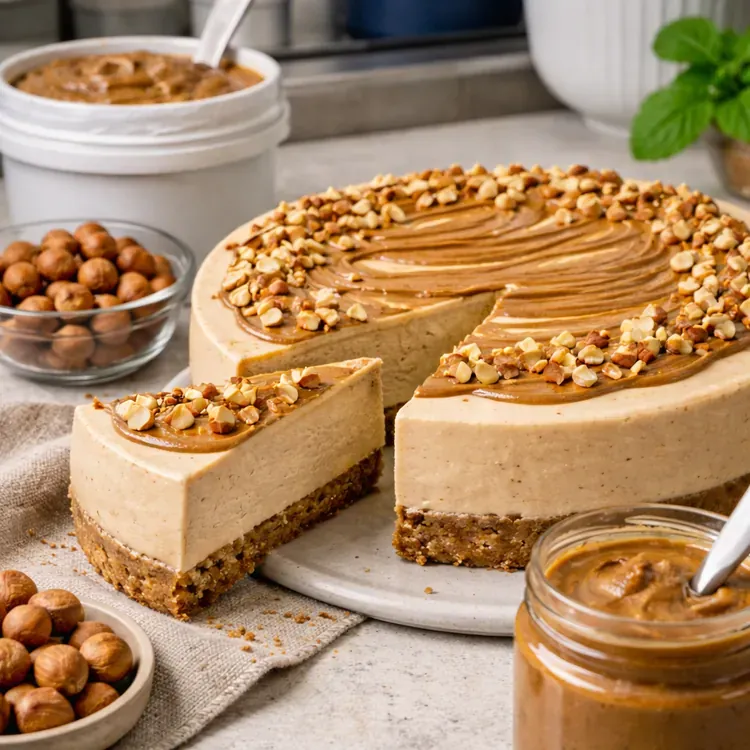
Hazelnut paste for vegan cheesecakes illustration

Where it fits

Vegan cheesecakes depend on a carefully balanced structure: a smooth emulsion (fat + water), controlled sweetness and acidity, and a set texture that slices cleanly without feeling waxy. Hazelnut paste supports these goals by providing a naturally rich fat phase and a premium nut flavor, while still fitting plant-based positioning.

In practical production terms, the main drivers are sensory consistency (roast and aroma profile), emulsion stability (avoid oiling-off and graininess), and shelf stability (oxidation control, packaging barriers, and predictable behavior in cold chain or ambient distribution). We support manufacturers by aligning paste type, grind, and packing format to your line and target market.

  • No-bake cheesecakes: paste contributes creaminess, improves mouthfeel, and supports stable viscosity for depositing.
  • Baked vegan cheesecakes: paste adds flavor and richness; grind and fat behavior help prevent separation during baking.
  • Swirls, layers & coatings: hazelnut paste pairs well with cocoa, coffee, fruit acids and biscuit bases when migration is managed.

Hazelnut is a tree nut allergen. If you need strict vegan positioning, confirm cross-contact controls for dairy/egg in your supply chain and facility.

Plant-based positioning Defined grind (micron) Oil separation control Export-ready documentation
Recommended formats

Typical starting points for trials and scale-up. We adapt roast level, grind and packaging to match your cheesecake system (no-bake or baked).

  • Roasted hazelnut paste (smooth; primary flavor and fat base)
  • Blanched hazelnut paste (lighter color; milder roast notes)
  • Hazelnut meal / flour (optional support for body, texture and reduced free oil)

Optional: hazelnut oil for controlled flow tuning in sauces or swirl systems (used carefully to avoid softening).

Technical considerations

The most common variables that impact texture, depositor performance and shelf stability in vegan cheesecake production.

  • Grind & mouthfeel: a finer grind reduces perceived graininess and improves slice texture
  • Emulsion stability: prevent oiling-off with controlled viscosity, good mixing order and stable temperature
  • Viscosity at depositing temp: align paste flow to your pump/depositor and filling temperature
  • Acidity compatibility: fruit acids and flavor acids can change thickness—pilot with your pH target
  • Oxidation risk: protect roasted aroma with oxygen-barrier packaging and stable storage conditions
  • Cold chain behavior: fats firm up at low temperature—define handling and dosing temperatures
  • Allergen & vegan controls: segregated handling and documentation aligned to your claims

Packaging approach

For hazelnut paste used in plant-based desserts, the biggest risks are oxygen exposure and temperature fluctuations. We offer packaging that protects aroma and supports export logistics.

  • Pails / drums with food-grade liners for paste
  • Oxygen barrier options to preserve roasted notes and reduce rancidity risk
  • Lot labeling (roast, grind, net weight, batch ID) for repeatability
  • Palletization suited to sea, road or air freight

Best practice: store cool and stable, avoid repeated warming/cooling cycles, and mix paste before use to re-homogenize.

See bulk supply details →

How hazelnut paste supports vegan cheesecake texture

Hazelnut paste does more than flavor: it changes the structure and eating experience. In vegan cheesecakes—where dairy proteins are absent— the fat phase, particle size and emulsion behavior become critical for a clean, creamy bite.

Creaminess and richness

Hazelnut paste contributes a naturally rich mouthfeel that helps reduce “starchy” perception from gums and starches in plant-based systems. Roasted paste offers deeper flavor; blanched paste supports lighter, vanilla-forward profiles.

  • Choose roast level to match your flavor positioning
  • Use a defined grind for smooth texture
  • Validate sensory consistency across lots

Emulsion stability

Stable emulsions prevent oiling-off, surface sheen changes and texture drift during shelf life. The right grind, storage temperature and mixing order help keep the fat phase uniformly dispersed.

  • Control temperature during mixing and depositing
  • Mix to homogenize, then avoid over-shearing
  • Plan for re-mixing after long storage

Formulation flexibility

Hazelnut paste works in plain bases, chocolate variations, coffee profiles and fruit-acid systems. It can also be used in swirls, toppings and layered formats when migration is managed.

  • Test with acids and cocoa for viscosity shifts
  • Use meal/flour when extra body is needed
  • Confirm stability across cold chain conditions

If you share whether your cheesecake is baked or no-bake, your target filling temperature, and your shelf-life goal, we can propose a practical starter spec.

Typical specification markers

Below is a practical checklist used by procurement and QA teams for hazelnut paste intended for vegan cheesecakes. We align each item to your process, destination market requirements, and claim needs (plant-based / vegan).

ParameterHow we align it
Roast profileDefined roast style to hit target aroma and color while avoiding bitterness
Particle size / grindSpecified grind band for smooth mouthfeel and stable emulsion behavior
Viscosity behaviorAligned to your mixing/depositing temperature and equipment sensitivity
Oil separationManaged via consistent grind, temperature handling and storage guidance
Oxidation protectionBarrier packaging + handling to preserve aroma and reduce rancidity risk
Micro profileAligned to customer specifications and destination requirements
AflatoxinManaged through risk-based sourcing and partner controls
Allergen / vegan controlsLot traceability and documentation aligned to your program and claims
PackagingPails/drums with liners; oxygen protection options; export cartons as required

Final values depend on your formulation and customer requirements. We share lot documentation with each shipment.

FAQ

Which hazelnut format is most common for hazelnut paste for vegan cheesecakes?

Most customers start with smooth roasted hazelnut paste as the flavor and fat base. For lighter color targets, blanched hazelnut paste is common. If additional body is needed, hazelnut meal/flour can be used in small amounts to support texture and reduce free oil.

Is hazelnut paste better for baked or no-bake vegan cheesecakes?

It works for both. No-bake systems prioritize emulsion stability and controlled viscosity for depositing. Baked systems add heat stability requirements and can be more sensitive to oil separation if the process is not temperature-controlled. We help align paste grind, roast profile and packaging to your method.

Do you support long-term supply programs for plant-based dessert manufacturers?

Yes. We structure annual and multi-shipment programs with consistent specifications, batch documentation, and forecast-based planning. For vegan positioning, we can also align documentation and handling expectations to support your internal controls.

Next step

Send your cheesecake format (baked or no-bake), target flavor profile (roasted vs. light), expected monthly volume and destination. We will propose a suitable paste specification, packaging option and shipment plan.

Review products