Applications Library • Beverages

Hazelnut praline powder for cappuccino toppings

A practical, procurement-ready overview of hazelnut praline powder used as a cappuccino topping — including recommended formats (powder and granules), roast and caramel targets, particle-size and flow control for shaker or vending use, caking prevention, and packaging approaches that protect aroma and performance.

Back to applications
Hazelnut praline powder for cappuccino toppings illustration

Where it fits

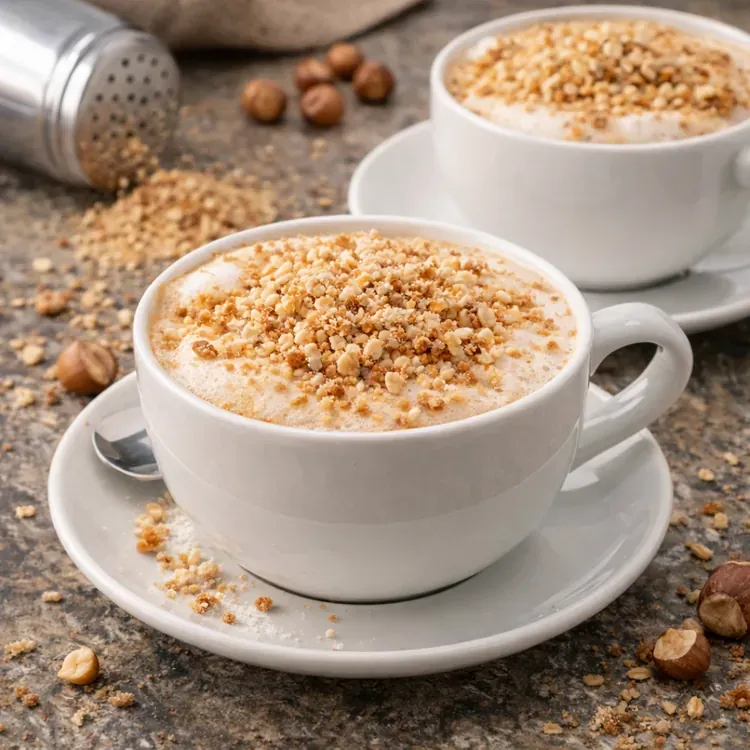
Hazelnut praline powder is used as a finishing topping on cappuccino and milk-based coffee drinks to deliver a recognizable roasted-nut aroma, a gentle caramel sweetness, and a premium visual “dusting” on foam. Compared with cocoa-only toppings, praline powders can add nutty depth and a more dessert-like flavor cue while keeping the application simple for baristas and automated systems.

In beverage programs, success is defined less by “ingredient novelty” and more by dispensing consistency and shelf stability under real café conditions. The powder must flow reliably from a shaker or hopper, adhere to foam rather than sink immediately, and resist caking when exposed to humidity and temperature swings during service.

Hazelnut is a tree nut allergen. Programs typically require clear allergen statements, cross-contact controls, and cleaning/segregation planning for cafés, co-packers, and vending operations.

Export-ready documentation Lot traceability Particle size control Café, vending & retail options

Recommended formats

Typical starting points for trials and scale-up. We align roast, caramel profile, powder fineness and packaging to your dispensing method.

  • Hazelnut praline powder (defined sieve cut for shaker flow)
  • Praline granules (for crunch + visual texture on foam)
  • Roasted hazelnut meal / flour (for blending or custom topping mixes)

Technical considerations

Variables that most often impact flavor impact, dosing consistency, and shelf stability in beverage service.

  • Particle size distribution (flow vs. foam adhesion vs. dusting)
  • Moisture & water activity targets to reduce caking in humid cafés
  • Fat content and aroma retention (oxidation protection for nut notes)
  • Allergen control, labeling expectations, and line segregation planning

Packaging approach

Packaging is selected to protect aroma and keep powders free-flowing during transport, storage and daily service.

For praline powders, humidity is the primary enemy. High moisture-barrier liners, sealed closures, and (where appropriate) oxygen protection help preserve roasted-nut aroma while keeping flow stable in shakers and vending hoppers.

See bulk supply details →

How it performs on cappuccino foam

A cappuccino topping needs to do three things quickly: dispense evenly, sit attractively on foam, and release aroma immediately. Hazelnut praline powder is typically optimized for these goals through roast selection and controlled milling.

Foam adhesion vs. sinking

Very fine powders can look smooth but may create dusting and can clump in humid environments. Coarser particles flow well and add texture, but may sink more quickly. The practical approach is to define a sieve range that balances visual coverage and foam hold with consistent shaker performance.

Flavor impact

Praline character comes from the combination of roasted hazelnut notes and caramelized sweetness. Programs commonly specify a flavor direction such as “light and elegant,” “classic dessert,” or “intense roasted nut,” and then match roast level and praline profile accordingly.

Service realities

Café environments expose toppings to frequent opening/closing, warm counters, and humid steam zones. To keep performance stable, the key levers are: moisture targets, barrier packaging, and a powder design that remains free-flowing with repeated exposure during daily use.

Trial tip: Evaluate topping performance across a full service day (not just a fresh-open test). Monitor shaker flow, clump formation, aroma perception, and “last sip” residue perception in the cup.
Scale-up checklist for topping programs

Procurement and QA teams typically lock in a specification that protects both sensory consistency and dispensing reliability. The checklist below helps structure trials for café service, vending hoppers, or sachet dosing lines.

AreaWhat to defineWhy it matters
Dispensing method Shaker, hopper, or sachet dosing; target dose per cup Determines particle size and flow requirements
Particle size Sieve range, fines limit, granule option if needed Controls dusting, foam adhesion, and flow stability
Moisture control Moisture and water-activity targets; storage SOP Reduces caking in humid cafés and during transport
Sensory profile Roast intensity, caramel note, color acceptance Ensures consistent “signature” topping perception
Stability window Expected shelf life and “open pack” service life Aligns packaging choice and handling guidance
Allergen policy Label statements, segregation, cleaning verification Supports customer approvals and audit readiness
Documentation COA flow, traceability, country of origin, specs Enables repeatable procurement and QA release

Targets and testing vary by market and customer. We align the program around your dispensing method, packaging format, and agreed specification, and provide lot documentation with each shipment.

Typical specification markers

Below is a practical checklist used by procurement and QA teams for hazelnut praline powder intended for cappuccino toppings. The focus is on flowability, caking resistance, sensory consistency, and food safety documentation.

ParameterHow we align it
Particle size (PSD)Defined sieve cut and tolerance bands for shaker/hopper performance
Fines / dust levelControlled to reduce dusting, clumping and inconsistent dosing
MoistureControlled to your target range to support free-flowing behavior
Water activity (aw)Aligned to caking risk and shelf-life expectations
Flavor & roast profileMatched to target aroma and caramel note; validated by reference samples
ColorSet acceptance range to support a consistent “signature” cappuccino finish
Bulk density / flowAligned to dosing systems and pack fill targets
Micro profileAligned to customer specifications and destination requirements
Foreign matter controlScreening and detection controls where required
Allergen statementTree nut allergen documentation and traceability support
PackagingMoisture-barrier liners, sealed closures, export cartons as required

Final values depend on formulation style and customer requirements. We share lot documentation with each shipment and can align sampling plans for long-term programs.

FAQ

Which hazelnut format is most common for hazelnut praline powder for cappuccino toppings?

Most cappuccino programs use hazelnut praline powder with a defined particle-size distribution so it flows consistently from café shakers and adheres well to foam. Customers typically fine-tune roast intensity, caramel profile, and powder fineness to match their beverage aroma and sweetness target.

Can you match a target particle size or cut?

Yes. We can align sieve cuts and tolerance bands for praline powder (or granules) to suit shaker holes, vending hoppers, or sachet dosing lines, while controlling excess fines that can cause dusting, clumping, or inconsistent dosing.

How do you reduce caking in humid environments?

Caking control is built on moisture and water-activity targets, strong moisture-barrier packaging, and minimizing exposure during packing and service. For some programs, customers specify additional flow approaches depending on their label policy and equipment.

Do you support long-term supply programs?

Yes. We structure annual and multi-shipment programs with consistent specifications, batch documentation and forecast-based planning to keep both flavor and dispensing performance stable across lots.

Next step

Send your target use case (café shaker, vending hopper, sachets), expected monthly volume, preferred flavor direction (light/classic/intense), and destination market. We will propose suitable praline powder/granule formats, particle size targets, packaging options, and a shipment plan.

Review products