Applications Library • Bakery

Sliced hazelnuts for bakery lamination

A practical, procurement-ready guide to choosing sliced hazelnuts for laminated pastries — including slice thickness and breakage control, toast/color targets, adhesion on egg-washed dough, dust management, shelf-life protection, and export packaging approaches.

Back to applications
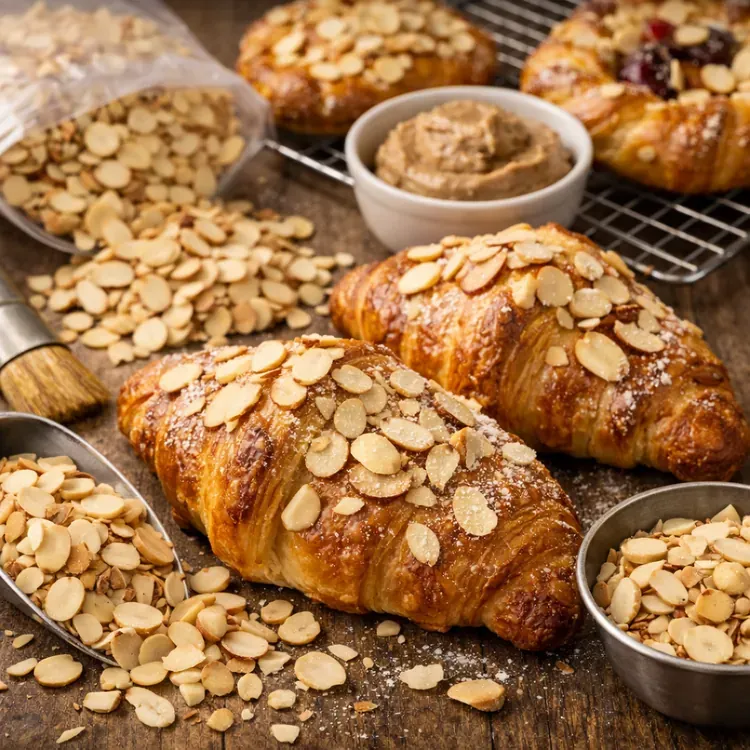
Sliced hazelnuts for bakery lamination illustration

Where it fits

Sliced hazelnuts are used on laminated bakery products when you want a premium visual finish and a clean roasted aroma without adding heavy inclusions into the dough layers. In lamination, the topping must survive handling and proofing, then toast evenly in the oven without scorching.

The biggest drivers for this application are appearance consistency (slice uniformity, low fines), controlled browning (blanched vs roasted, predictable toast), and shelf stability (aroma protection and moisture control so slices stay crisp and attractive).

  • Front-of-pack look: uniform slice distribution with minimal powder improves perceived quality.
  • Process yield: controlled breakage reduces waste and dust build-up on lines.
  • Predictable bake: consistent color development across trays and ovens.
  • Crunch retention: moisture control helps toppings stay crisp after packing.
Low fines & breakage Consistent toasting Adhesion-friendly Export-ready documentation

Recommended formats

Typical starting points for trials and scale-up. We adapt slice thickness ranges and packaging to your bake profile and line handling.

  • Blanched sliced hazelnuts (light color, consistent toast in oven)
  • Roasted sliced hazelnuts (stronger aroma, darker finish)
  • Chopped / broken pieces (rustic look, higher tolerance for thickness variation)
  • Hazelnut paste / puree (optional: paired fillings for laminated pastries)

For lamination toppings, controlling slice thickness and fines often matters more than the exact kernel size.

Technical considerations

The variables that most commonly impact appearance, line performance and shelf life.

  • Slice thickness window: affects browning speed, bite and breakage
  • Fines / dust control: improves visual finish and reduces line build-up
  • Adhesion method: egg wash, syrup or glaze selection changes hold and browning
  • Moisture pickup: can soften toppings; packaging and storage conditions matter
  • Oxidation protection: preserves aroma and reduces rancid notes during shelf life
  • Allergen control: tree nut segregation planning and documented controls

Packaging approach

To keep slices crisp and aromatic, we prioritize moisture barriers and handling-friendly formats for bakeries.

  • Lined cartons for bulk handling and clean decanting
  • Vacuum / MAP options (often used for roasted slices where aroma protection is critical)
  • Palletization suited to sea, road or air freight

If your production environment is humid or warm, tighter barrier packaging can protect crispness and reduce clumping.

See bulk supply details →

How sliced hazelnuts behave on laminated dough

Laminated products are challenging because toppings experience multiple stress points: depositing and handling, proofing (humidity), bake (rapid surface temperature rise), cooling, and packaging. A stable sliced hazelnut spec supports repeatable results across these steps.

Adhesion & coverage

Slices need to “stick” through proof and transfer. Coverage uniformity is improved by controlled thickness and low dust.

  • Works well with egg wash for classic croissant finishes
  • Glaze/syrup can increase adhesion but may darken faster
  • Lower fines = cleaner surface and more defined slice look

Toasting & color

Thickness and processing (blanched vs roasted) influence how quickly slices brown and whether edges burn.

  • Blanched slices provide a lighter starting color
  • Roasted slices deliver stronger aroma but can darken sooner
  • Thickness windows help keep tray-to-tray color consistent

Crunch retention

Crisp toppings can soften if they absorb moisture during proofing, cooling or packaging. Moisture barriers reduce this risk.

  • Moisture control supports crisp bite on day 2–5
  • Protect from humid storage after opening
  • Barrier packaging helps maintain aroma and texture

Tell us your product (croissant, Danish, puff pastry), whether you apply slices pre- or post-proof, and your bake curve. We’ll propose a practical starter specification tailored to browning and adhesion.

Common defects and how to prevent them

These are the most frequent issues bakery teams flag during trials, and the spec/handling levers that typically fix them.

Burnt edges / uneven browning

  • Choose blanched slices for lighter starting color
  • Align thickness window to your bake profile
  • Reduce fines that over-brown and darken patches

Breakage and dusty appearance

  • Specify maximum fines and screened cuts
  • Use handling-friendly pack formats for gentler decanting
  • Reduce mechanical stress in topping feeders

Poor adhesion / falling off

  • Check egg wash coverage and timing vs proof
  • Consider slice thickness that matches surface texture
  • Reduce oil/dust on surface that can reduce stickiness

Typical specification markers

Below is a practical checklist used by procurement and QA teams for sliced hazelnuts in lamination. We align each item to your destination market, baking method and handling needs.

ParameterHow we align it
ProcessingBlanched or roasted, aligned to your color and flavor target
Slice thicknessDefined thickness range to support even browning and stable appearance
Breakage / finesScreened and controlled to reduce dust and improve yield
MoistureControlled to your target range to protect crispness
Defect sortingScreened and optically sorted where required
Foreign matter controlsRisk-based controls and documentation aligned to customer standards
Micro profileAligned to customer specifications and destination requirements
AflatoxinManaged through risk-based sourcing and partner controls
PackagingLiners, vacuum / MAP options, export cartons and palletization as required

Final values depend on product form and customer requirements. We share lot documentation with each shipment.

FAQ

Which hazelnut format is most common for bakery lamination toppings?

Most customers start with blanched sliced hazelnuts because they deliver a clean, light appearance and toast predictably during baking. Roasted slices are used when a deeper nut profile and darker finish are desired, and chopped pieces are used for a more rustic look or when the product tolerates higher visual variation.

What slice thickness works best for croissants and Danish?

Many lines prefer thin to medium slices so they toast quickly without burning. The best thickness depends on your bake curve, whether you apply egg wash or syrup, and the bite you want. We can align thickness ranges and limit fines/breakage to improve appearance and yield.

How do you help reduce dust, breakage and uneven browning?

We align the practical controls that matter on bakery lines: calibrated raw material selection, controlled slicing and screening to reduce fines, consistent blanching/roast targets, and packaging that protects against moisture pickup and oxidation. Share your application method and bake profile, and we’ll propose a starter specification built around consistent browning and clean visual finish.

Do you support long-term supply programs?

Yes. We structure annual and multi-shipment programs with consistent specifications, batch documentation and forecast-based planning — supporting stable performance across seasonal production cycles.

Next step

Send your product type (croissant, Danish, puff pastry), your application method (egg wash/syrup), target appearance, quantity and destination. We will propose suitable sliced formats, packaging and a shipment plan.

Review products